Reblocking
Reblocking is the Victorian term for restumping: replacing the stumps a house sits on once they rot, sink or crack.
Restumping Geelong restumps and relevels Highton homes, including the tricky ones: houses on sloping blocks with tall stumps on the downhill side. Building here started in the 1950s and worked up the hill, so stump age varies street by street. Request a quote and we'll inspect and price it properly.
Highton climbs from the Barwon River up toward the Barrabool Hills, and its housing tells the story of that climb. Building took off from the 1950s around Highton Village and Montpellier, then spread up the slopes decade by decade. The older streets carry weatherboards and early brick veneers, many with timber floors on stumps; the higher, newer areas are mostly slab construction.
Slopes change the restumping job. Downhill sides of Highton houses often stand on tall stumps, and tall stumps that rot or lean move further and faster than short ones. If your floor has developed a fall toward the view, request a quote. We'll check every stump and brace point and give you a clear scope.
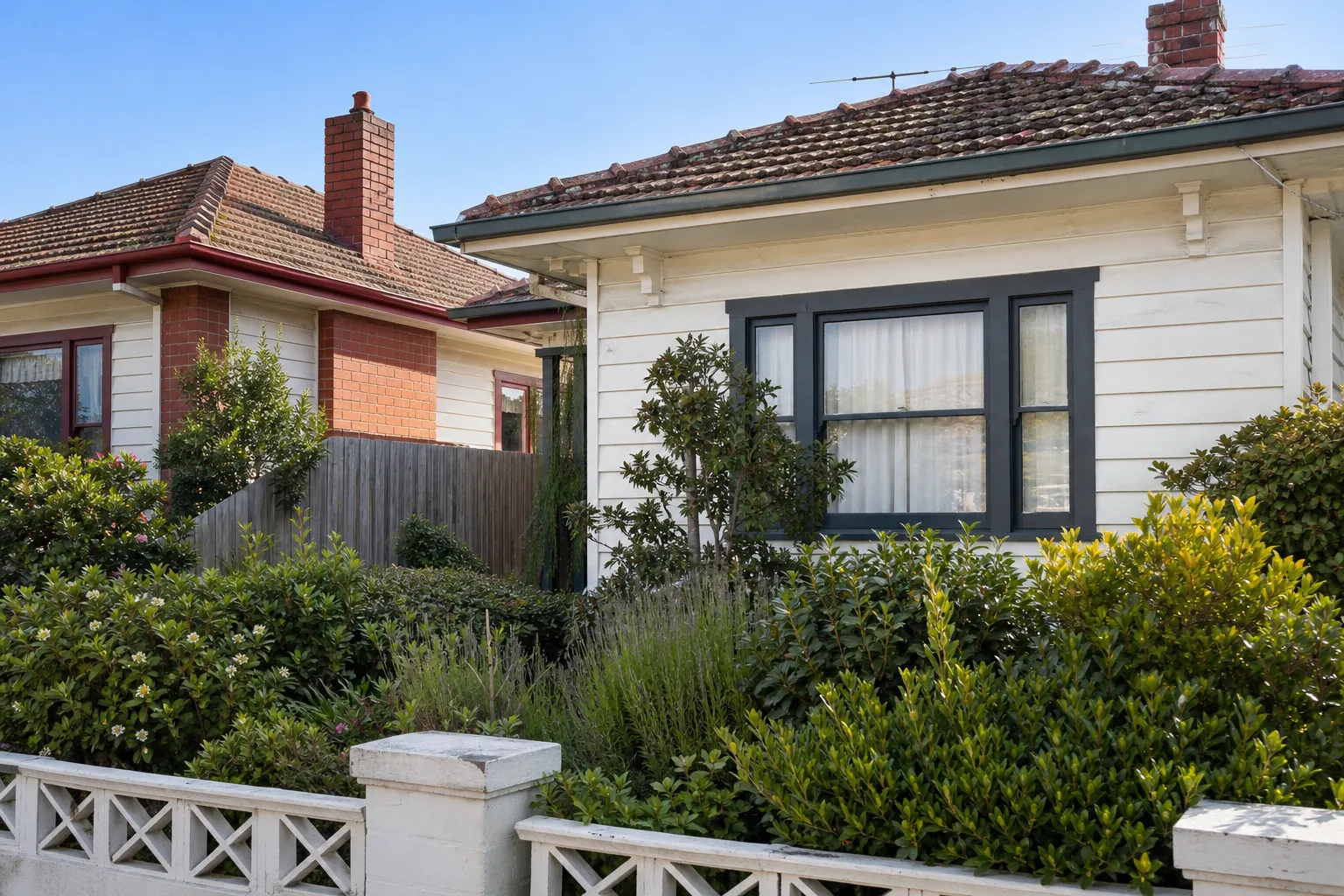
The 1950s and 60s homes around Highton Village and the Montpellier end are the suburb's main restumping candidates, with stumps now 60 to 70 years old. On sloped blocks the builders of that era cut and filled to set the house, and fill keeps settling for decades. That's why one side of a Highton house can drop while the side on cut ground barely moves.
Moisture also travels downhill through the clay on these slopes, so the lower side of a block is often wetter all year. The wet side is usually the fill side too, and it's where we find the worst stumps. Relevelling on a slope needs staged jacking, proper bracing and sometimes replacement stumps taller than standard. It's routine for us, but it's not a job for a bloke with a bottle jack.
Reblocking is the Victorian term for restumping: replacing the stumps a house sits on once they rot, sink or crack.
Underpinning re-supports a house whose concrete slab or strip footings have sunk, usually by extending the footing down to firmer soil or onto screw piles.
House levelling, also called relevelling, brings sloping floors back to level by jacking the house and packing or adjusting the existing stumps.
A full restump of an average Geelong home usually costs $4,000 to $20,000.
Tell us about your place and we will get back to you with an honest assessment and a fixed price.
Usually somewhat, compared with a flat-block job of the same size, because tall stumps need deeper holes, more concrete and careful bracing during the lift. It's still bread-and-butter work for a crew that does slopes regularly. We quote it like any other job: from an inspection, in writing.
No. Slab homes can't be restumped; if a slab moves, the fix is underpinning. Restumping in Highton is mostly for the older stumped homes on the lower streets. If you're not sure what your house sits on, we can tell you in minutes.